Dearborn man sentenced to one year for mortgage fraud scheme
U,S, District Judge Robert Cleland on Jan. 11 ordered jail time and restitution for Abe Beydoun, 36, and co-defendant Deangelo Wade, 41, in connection with a multi-million mortgage fraud scheme run between 2004 and 2006. Beydoun, who pleaded guilty in June to one count of mortgage fraud faces one year in prison and three years of supervised release. He was also ordered to pay a $ 100 special assessment.
Wade pleaded guilty in April to one count of mortgage fraud and one count of filing a false tax return was sentenced to 40 months in prison and three years supervised release. Judge Cleland ordered Wade pay a special of $ 200 and restitution to the IRS of $ 224,000. Both men must also repay the FDIC $ 1.8 million.
According to court documents, Beydoun, Wade and others concocted a scheme to defraud IndyMac Bank in connection with the purchase of four properties located on Tuscan Hills Dr. in Plymouth. Wade was in the real estate-flipping business and Beydoun was a loan officer employed by Direct Lending Inc. located at the Village Plaza office tower in Dearborn. Wade used straw buyers and false information to obtain mortgages on the properties under his real estate business using Beydoun as the middle man. Wade would buy the properties, fix them up and then sell them for large profits. The title company would issue a check to the straw buyer and the straw buyer would sign the check over to Wade. At the time of the offense, IndyMac Bank was insured by the FDIC, although the California-based thrift was later absorbed by the federal government when, awash in bad mortgages, it filed for Chapter 7 bankruptcy in 2008. Wade failed to report the income he made from his real estate business and failed to report the commissions and gains he earned from the sale of the properties, prosecutors said.
In November of 2006, Beydoun helped Wade purchase a home and secured! a mortg age for $ 1.6 million. After inflating the value of the property, Wade received more than $ 395,000 from the loan proceeds of the home. Wade also failed to report this additional income on his 2006 tax returns. It is not clear from court documents if or how much Beydoun profited from the deal.
"Mortgage fraud remains a prosecution priority because it is a significant problem in Michigan. Mortgage fraud leads to foreclosed homes, which reduce property values and become havens for criminal activity," U.S. Attorney Barbara McQuade said in a statement.
"Everyone is a victim of mortgage and tax fraud. These crimes create a loss of tax revenue, burden bank lenders with bad loans and leave neighborhoods abandoned with deteriorating properties," Erick Martinez Special Agent in Charge, IRS-Criminal Investigation, said in a statement. "Deangelo Wade and Abe Beydoun contributed to the mortgage crisis and are being held accountable for their actions,"
U,S, District Judge Robert Cleland on Jan. 11 ordered jail time and restitution for Abe Beydoun, 36, and co-defendant Deangelo Wade, 41, in connection with a multi-million mortgage fraud scheme run between 2004 and 2006. Beydoun, who pleaded guilty in June to one count of mortgage fraud faces one year in prison and three years of supervised release. He was also ordered to pay a $ 100 special assessment.
Wade pleaded guilty in April to one count of mortgage fraud and one count of filing a false tax return was sentenced to 40 months in prison and three years supervised release. Judge Cleland ordered Wade pay a special of $ 200 and restitution to the IRS of $ 224,000. Both men must also repay the FDIC $ 1.8 million.
According to court documents, Beydoun, Wade and others concocted a scheme to defraud IndyMac Bank in connection with the purchase of four properties located on Tuscan Hills Dr. in Plymouth. Wade was in the real estate-flipping business and Beydoun was a loan officer employed by Direct Lending Inc. located at the Village Plaza office tower in Dearborn. Wade used straw buyers and false information to obtain mortgages on the properties under his real estate business using Beydoun as the middle man. Wade would buy the properties, fix them up and then sell them for large profits. The title company would issue a check to the straw buyer and the straw buyer would sign the check over to Wade. At the time of the offense, IndyMac Bank was insured by the FDIC, although the California-based thrift was later absorbed by the federal government when, awash in bad mortgages, it filed for Chapter 7 bankruptcy in 2008. Wade failed to report the income he made from his real estate business and failed to report the commissions and gains he earned from the sale of the properties, prosecutors said.
In November of 2006, Beydoun helped Wade purchase a home and secured a! mortgag e for $ 1.6 million. After inflating the value of the property, Wade received more than $ 395,000 from the loan proceeds of the home. Wade also failed to report this additional income on his 2006 tax returns. It is not clear from court documents if or how much Beydoun profited from the deal.
"Mortgage fraud remains a prosecution priority because it is a significant problem in Michigan. Mortgage fraud leads to foreclosed homes, which reduce property values and become havens for criminal activity," U.S. Attorney Barbara McQuade said in a statement.
"Everyone is a victim of mortgage and tax fraud. These crimes create a loss of tax revenue, burden bank lenders with bad loans and leave neighborhoods abandoned with deteriorating properties," Erick Martinez Special Agent in Charge, IRS-Criminal Investigation, said in a statement. "Deangelo Wade and Abe Beydoun contributed to the mortgage crisis and are being held accountable for their actions,"
 Read More @ Source
 Ron Paul Robbed-Cesspool of Fraud Iowa Caucus

Computer Aided Fraud Prevention and Detection: A Step by Step Guide
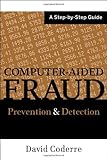
Praise for Computer-Aided Fraud
Prevention and Detection: A Step-by-Step Guide
"A wonderful desktop reference for anyone trying to move from traditional auditing to integrated auditing. The numerous case studies make it easy to understand and provide a how-to for those?seeking to implement automated tools including continuous assurance. Whether you are just starting down the path or well on your way, it is a valuable resource."
-Kate M. Head, CPA, CFE, CISA
Associate Director, Audit and Compliance
University of South Florida
"I have been fortunate enough to learn from Dave's work over the last fifteen years, and this publication is no exception. Using his twenty-plus years of experience, Dave walks through every aspect of detecting fraud with a computer from the genesis of the act to the mining of data for its traces and its ultimate detection. A complete text that first explains how one prevents and detects fraud regardless of technology and then shows how by automating such procedures, the examiners' powers become superhuman."
-Richard B. Lanza, President, Cash Recovery Partners, LLC
"Computer-Aided Fraud Prevention and Detection: A Step-by-Step Guide helps management and auditors answer T. S. Eliot's timeless question, 'Where is the knowledge lost in information?' Data analysis provides a means to mine the knowledge hidden in our information. Dave Coderre has long been a leader in educating auditors and others about Computer Assisted Audit Techniques. The book combines practical approaches with unique data analysis case examples that compel the readers to try the techniques themselves."
-Courtenay Thompson Jr.
Consultant, Courtenay Thompson & Associates

Fraudulent Stories Here


Comments
Post a Comment